Introduction to Human Genetics
Human genetics is the branch of science that studies how traits and characteristics are inherited from one generation to the next. It examines the role of DNA, genes, and chromosomes in shaping everything from eye color and height to susceptibility to diseases. Understanding human genetics provides insights into evolution, personalized medicine, and the complex mechanisms that govern biological life. Over the past century, advances in genetics have transformed medicine, biology, and biotechnology, creating opportunities to improve human health and quality of life.
The Structure and Function of DNA
DNA as the Genetic Blueprint
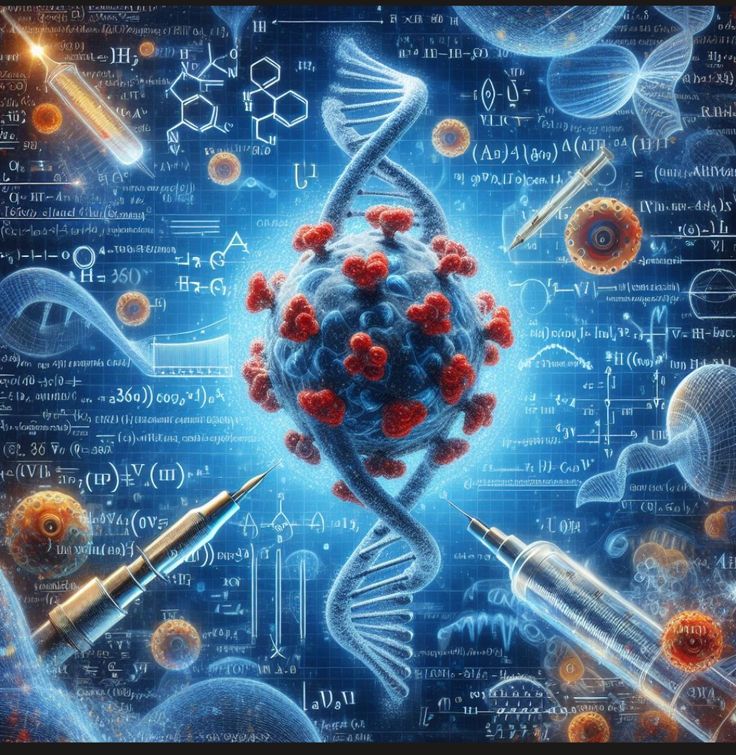
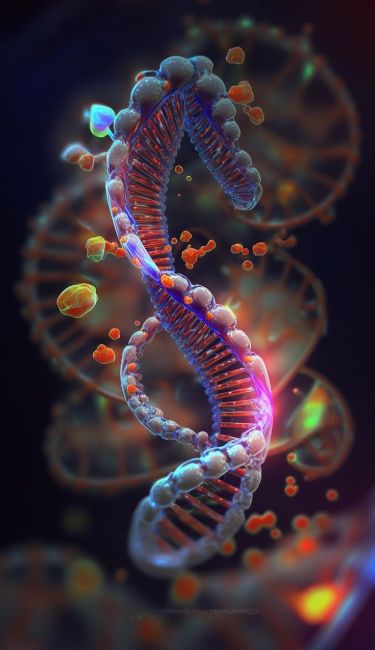
Deoxyribonucleic acid (DNA) is the molecule that carries the genetic instructions for all living organisms. Composed of nucleotides containing a sugar, phosphate, and one of four bases—adenine, thymine, cytosine, and guanine—DNA stores information necessary for the growth, development, and functioning of the human body. Its double-helix structure, discovered by James Watson and Francis Crick, allows it to replicate accurately and transmit genetic information across generations.
Genes and Their Role
Genes are segments of DNA that encode instructions for building proteins, which perform critical functions in the body. Each gene has a specific sequence of nucleotides that determines the amino acid sequence of a protein. Variations in genes, called alleles, contribute to differences in traits such as hair color, blood type, and disease susceptibility. Understanding genes enables scientists to study inheritance patterns, genetic disorders, and potential therapeutic targets.
Chromosomes and Human Inheritance
Organization of Genetic Material
Human cells contain 23 pairs of chromosomes, totaling 46, which house DNA and associated proteins. One chromosome of each pair is inherited from each parent, ensuring a combination of genetic traits. Chromosomes carry thousands of genes, and their proper replication and segregation are essential for healthy development. Errors in chromosomes can lead to conditions such as Down syndrome, Turner syndrome, and Klinefelter syndrome.
Mendelian Inheritance
Gregor Mendel’s experiments with pea plants established the principles of inheritance, including dominant and recessive traits. Mendelian genetics explains how specific traits are transmitted from parents to offspring and forms the foundation for modern genetic studies. Punnett squares, genetic ratios, and probability calculations are tools used to predict inheritance patterns.
Genetic Variation and Mutation
Sources of Genetic Variation
Genetic variation arises from mutations, recombination, and gene flow. Mutations are changes in DNA sequences that may occur spontaneously or due to environmental factors. Recombination during meiosis shuffles genetic material, creating diversity in offspring. Gene flow, or the transfer of genes between populations, introduces new genetic variations and enhances evolutionary adaptability.
Mutations and Their Consequences
Mutations can be beneficial, neutral, or harmful. Beneficial mutations may confer advantages such as disease resistance or improved adaptation. Harmful mutations can lead to genetic disorders, cancer, or developmental abnormalities. Studying mutations allows scientists to understand disease mechanisms, evolutionary processes, and potential therapeutic interventions.
The Human Genome Project
Mapping the Genome
The Human Genome Project (HGP), completed in 2003, was a landmark international effort to sequence the entire human genome. It identified all human genes, mapped their locations, and provided a comprehensive reference for genetic research. The HGP has revolutionized medicine, enabling the identification of disease-causing genes, understanding genetic variation, and advancing personalized healthcare.
Applications of Genomic Data
Genomic data informs medical diagnostics, drug development, and treatment strategies. By analyzing an individual’s genome, scientists can predict disease risk, recommend lifestyle adjustments, and develop targeted therapies. Genomic studies also contribute to forensic science, ancestry tracing, and understanding population genetics.
Epigenetics: Beyond DNA Sequence
Regulation of Gene Expression
Epigenetics studies changes in gene expression that do not involve alterations in the DNA sequence. Chemical modifications such as DNA methylation and histone acetylation influence whether a gene is active or silenced. Epigenetic mechanisms play a critical role in development, cellular differentiation, and response to environmental factors.
Environmental Influences on Genetics
Lifestyle, diet, stress, and exposure to toxins can affect epigenetic markers, altering gene expression without changing the underlying DNA. These changes can influence health outcomes, disease susceptibility, and even be passed on to future generations. Epigenetics bridges the gap between genetics and environmental science, providing a deeper understanding of human biology.
Genetic Disorders and Inherited Conditions
Single-Gene Disorders
Single-gene disorders result from mutations in one specific gene. Examples include cystic fibrosis, sickle cell anemia, and Huntington’s disease. These conditions often follow Mendelian inheritance patterns, and genetic testing can identify carriers and affected individuals. Early diagnosis enables better management and potential treatment strategies.
Complex and Multifactorial Disorders
Many diseases, such as diabetes, heart disease, and cancer, result from complex interactions between multiple genes and environmental factors. Understanding the genetic components of these conditions allows researchers to develop personalized medicine approaches, preventive strategies, and targeted therapies tailored to individual risk profiles.
Genetic Testing and Personalized Medicine
Diagnostic and Predictive Testing
Genetic testing can identify mutations associated with inherited diseases, guide treatment decisions, and predict susceptibility to certain conditions. Diagnostic tests confirm existing conditions, while predictive tests assess the likelihood of developing a disease in the future. Early detection through genetic testing improves clinical outcomes and informs lifestyle interventions.
Targeted Therapies and Precision Medicine
Personalized medicine uses genetic information to design targeted therapies. Cancer treatment, for example, often involves analyzing tumor genetics to determine the most effective drugs. Pharmacogenomics studies how an individual’s genetic makeup affects drug response, allowing for tailored medication plans that maximize efficacy and minimize side effects.
CRISPR and Gene Editing
Revolutionizing Genetics
CRISPR-Cas9 is a groundbreaking gene-editing technology that allows precise modifications of DNA. It enables scientists to correct genetic defects, study gene functions, and develop new treatments for genetic disorders. CRISPR has applications in medicine, agriculture, and biotechnology, opening new frontiers in genetic research.
Ethical Considerations
Gene editing raises ethical questions regarding safety, equity, and the potential for unintended consequences. Editing human embryos, germline modifications, and designer genetics present moral and societal challenges. Responsible research, regulation, and public engagement are essential to ensure that gene-editing technologies are applied ethically and safely.
Genetics in Evolution and Anthropology
Tracing Human Origins
Genetic studies provide insights into human evolution and migration patterns. DNA analysis of ancient remains reveals relationships between modern humans and ancestral populations, shedding light on the origins of Homo sapiens and interactions with other hominins such as Neanderthals and Denisovans.
Population Genetics and Diversity
Population genetics studies the distribution of genetic variations within and between populations. It informs our understanding of adaptation, natural selection, and disease susceptibility. Genetic diversity is crucial for resilience against environmental changes and maintaining healthy populations.
Future Directions in Human Genetics
Integrating Big Data and AI
The combination of genomics, bioinformatics, and artificial intelligence enables analysis of vast genetic datasets. AI algorithms can identify patterns, predict disease risk, and suggest potential therapies, accelerating discovery and personalized treatment development.
Ethical and Social Implications
Advances in human genetics present societal challenges, including privacy concerns, genetic discrimination, and equitable access to therapies. Policymakers, scientists, and ethicists must work together to establish guidelines that protect individuals while fostering scientific progress.
Potential for Human Health and Longevity
Ongoing research in genetics holds promise for preventing and treating diseases, improving longevity, and enhancing overall health. Innovations in gene therapy, regenerative medicine, and personalized medicine may transform healthcare, offering unprecedented control over human biology and well-being.