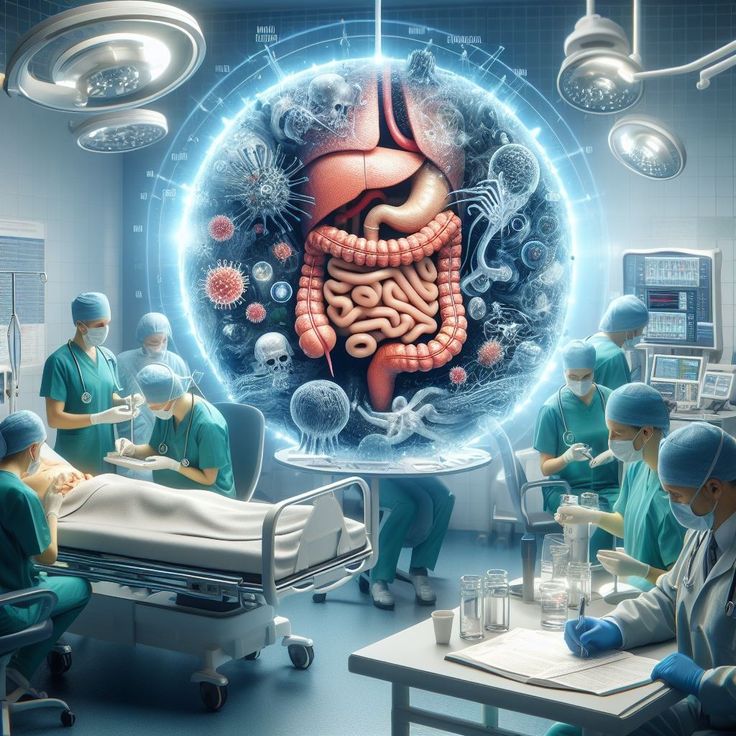
Introduction to Modern Medical Breakthroughs
Modern medicine has witnessed remarkable breakthroughs over the past century, fundamentally transforming healthcare and improving quality of life. Advancements in diagnostics, treatments, biotechnology, and pharmaceuticals have extended human lifespan, reduced mortality rates, and enhanced disease management. These breakthroughs impact society by improving public health, shaping healthcare policies, and driving economic and technological growth. Understanding these innovations helps individuals, communities, and policymakers adapt to evolving medical landscapes.
Advances in Diagnostics and Early Detection
Imaging Technologies
Modern imaging technologies, such as magnetic resonance imaging (MRI), computed tomography (CT) scans, and positron emission tomography (PET), allow clinicians to view the body’s internal structures with remarkable detail. These tools enable early detection of diseases, accurate diagnosis, and precise monitoring of treatment progress. Imaging advancements have revolutionized fields such as oncology, neurology, and cardiology.
Genetic and Molecular Diagnostics
Genomic sequencing and molecular diagnostic techniques provide insights into individual susceptibility to diseases and guide personalized treatment strategies. Detecting mutations, biomarkers, and genetic predispositions allows clinicians to intervene earlier, customize therapies, and improve patient outcomes. These technologies play a crucial role in cancer management, rare disease diagnosis, and prenatal testing.
Innovations in Pharmaceuticals
Targeted Therapies
Targeted therapies focus on specific molecules or pathways involved in disease progression. Unlike traditional drugs that affect the entire body, targeted treatments minimize side effects and maximize efficacy. Examples include monoclonal antibodies for cancer, kinase inhibitors, and biologic drugs for autoimmune diseases. These therapies represent a shift toward precision medicine.
Vaccines and Immunotherapy
Vaccines have eradicated or controlled many infectious diseases, including smallpox, polio, and measles. Recent breakthroughs in mRNA vaccines have demonstrated the potential for rapid development and high efficacy, exemplified by COVID-19 vaccines. Immunotherapy harnesses the immune system to fight diseases, particularly cancers, by stimulating immune responses or modifying immune cells to target tumors effectively.
Regenerative Medicine and Stem Cell Research
Stem Cell Therapies
Stem cells possess the ability to develop into different cell types, offering possibilities for tissue repair and regeneration. Research in stem cell therapies has led to treatments for blood disorders, certain cancers, and degenerative conditions. Scientists continue to explore applications for organ regeneration, spinal cord injuries, and neurological disorders.
Tissue Engineering and Organ Transplants
Advances in tissue engineering enable the creation of artificial tissues and organs for transplantation, reducing the reliance on donor organs. Techniques such as 3D bioprinting allow the fabrication of complex structures using patient-derived cells, minimizing immune rejection and improving treatment success. These technologies promise to transform organ transplantation and repair damaged tissues effectively.
Minimally Invasive and Robotic Surgery
Laparoscopic and Endoscopic Procedures
Minimally invasive surgery reduces the need for large incisions, resulting in faster recovery, reduced infection risk, and shorter hospital stays. Laparoscopy and endoscopy are widely used in gastrointestinal, gynecological, and urological procedures, allowing surgeons to perform complex operations with precision and minimal disruption to surrounding tissues.
Robotic-Assisted Surgery
Robotic surgery provides enhanced dexterity, precision, and visualization for surgeons, enabling complex procedures that were previously difficult or impossible. Systems like the da Vinci Surgical System allow surgeons to perform delicate operations with greater accuracy, improving patient outcomes and expanding the scope of minimally invasive surgery.
Digital Health and Telemedicine
Remote Patient Monitoring
Digital health technologies enable continuous monitoring of vital signs, chronic conditions, and treatment adherence. Wearable devices, mobile applications, and connected health platforms allow healthcare providers to track patient health remotely, detect early warning signs, and intervene promptly. This approach improves chronic disease management and reduces hospital readmissions.
Telemedicine and Virtual Care
Telemedicine provides access to healthcare services through video consultations, remote diagnostics, and virtual follow-ups. This innovation is particularly valuable in rural or underserved regions, improving healthcare accessibility and efficiency. Telemedicine also supports mental health services, chronic disease management, and post-operative care.
Advances in Infectious Disease Management
Antiviral and Antibacterial Therapies
Modern medicine has developed effective antiviral and antibacterial treatments to combat infectious diseases. New drug classes target specific viral or bacterial mechanisms, reducing resistance development and improving patient outcomes. Advances in drug delivery systems, combination therapies, and pharmacogenomics enhance treatment efficacy and safety.
Global Pandemic Preparedness
Recent medical breakthroughs have strengthened global readiness for pandemics. Rapid diagnostics, vaccine platforms, and genomic surveillance allow for swift identification of pathogens, timely public health interventions, and accelerated development of therapeutics. These advances have proven critical in managing outbreaks such as COVID-19, Ebola, and influenza.
Precision Medicine and Genomics
Personalized Treatment Plans
Precision medicine tailors medical treatment to individual genetic profiles, lifestyle factors, and environmental exposures. Genomic sequencing and molecular profiling guide therapy selection, optimize drug dosing, and predict treatment responses. Personalized medicine improves outcomes in oncology, cardiology, and rare genetic disorders.
Pharmacogenomics
Pharmacogenomics studies how genes influence individual responses to medications. This knowledge allows clinicians to prescribe drugs that are most effective and least likely to cause adverse reactions. By integrating genetics into treatment decisions, pharmacogenomics enhances drug safety and efficacy across diverse patient populations.
Artificial Intelligence and Big Data in Healthcare
AI-Powered Diagnostics
Artificial intelligence algorithms analyze medical images, lab results, and patient data to assist clinicians in diagnosis and treatment planning. AI can detect patterns invisible to the human eye, enabling early detection of diseases such as cancer, cardiovascular conditions, and neurological disorders. These technologies complement human expertise and improve diagnostic accuracy.
Predictive Analytics and Population Health
Big data analytics identifies trends, predicts disease outbreaks, and informs public health strategies. By integrating electronic health records, genomic data, and environmental factors, predictive models guide preventive interventions, optimize resource allocation, and reduce healthcare costs. Population-level insights improve community health outcomes and support evidence-based policy-making.
Medical Robotics and Automation
Robotic Assistance in Hospitals
Robotic systems assist in repetitive tasks such as medication dispensing, laboratory automation, and surgical support. Automation reduces human error, increases efficiency, and allows healthcare providers to focus on patient care. Robots also aid in hazardous environments, including infectious disease wards and disaster response scenarios.
Laboratory Automation and High-Throughput Testing
High-throughput automated systems accelerate diagnostics, genetic testing, and drug discovery. These technologies enable rapid processing of large sample volumes, improve accuracy, and reduce turnaround times. Laboratory automation has been crucial during pandemics, supporting mass testing and research initiatives.
Impact on Society and Public Health
Extending Life Expectancy
Medical breakthroughs have significantly increased global life expectancy by preventing, diagnosing, and treating diseases more effectively. Vaccinations, antibiotics, surgical innovations, and chronic disease management have reduced mortality rates and improved population health worldwide. Longer life spans have profound social, economic, and demographic implications.
Improving Quality of Life
Advancements in medicine enhance quality of life by alleviating pain, restoring function, and managing chronic conditions. Patients with previously debilitating diseases now have access to treatments that allow them to lead productive, fulfilling lives. Medical technologies such as prosthetics, hearing implants, and mobility aids have transformed rehabilitation and daily living.
Economic and Technological Growth
The healthcare sector drives economic growth through job creation, research and development, and biotechnology innovation. Medical breakthroughs foster technological advancements with applications beyond healthcare, including data science, engineering, and material science. Investments in medical research stimulate innovation, infrastructure development, and international collaboration.
Ethical Considerations and Challenges
Access and Equity
While modern medical breakthroughs improve health outcomes, disparities in access persist. Socioeconomic status, geographic location, and healthcare infrastructure influence who benefits from advanced treatments. Ensuring equitable access is essential to maximize societal impact and address health inequalities.
Ethical Implications of New Technologies
Innovations such as genetic editing, AI diagnostics, and stem cell therapies raise ethical questions about safety, consent, and long-term consequences. Policymakers, medical professionals, and society must balance innovation with ethical responsibility, ensuring that breakthroughs benefit humanity while minimizing risks.
Future Prospects in Medicine
Integration of Genomics and AI
Future medicine will increasingly integrate genomics, artificial intelligence, and digital health technologies. Personalized treatment plans, predictive analytics, and AI-driven diagnostics will become standard practice, revolutionizing healthcare delivery and patient outcomes. These integrations promise faster, safer, and more effective medical interventions.
Global Health and Preventive Medicine
Medical breakthroughs support preventive healthcare strategies, reducing disease burden and promoting global health. Vaccination programs, early detection tools, and lifestyle interventions aim to prevent illness before it occurs, enhancing population well-being and reducing healthcare costs. Global cooperation and innovation are key to addressing emerging health challenges.