Introduction to Technology in Science
Technology has always been intertwined with the progress of science. From the invention of the telescope to the development of high-performance computers, technological advancements have continually expanded humanity’s ability to observe, analyze, and understand the natural world. Today, emerging technologies such as artificial intelligence, big data analytics, nanotechnology, and advanced imaging are accelerating scientific discovery, transforming research methodologies, and shaping the future of numerous disciplines, from medicine to astronomy.
Computational Science and Big Data
High-Performance Computing
High-performance computing (HPC) allows scientists to process vast amounts of data at unprecedented speeds. HPC is essential for simulations, modeling, and analyzing complex phenomena such as climate change, molecular interactions, and astrophysical events. By leveraging parallel processing and supercomputers, researchers can test hypotheses more quickly and with greater precision than ever before.
Big Data Analytics in Research
The explosion of data from sensors, experiments, and digital records has created opportunities and challenges for scientists. Big data analytics enables the extraction of meaningful insights from massive datasets, identifying patterns, trends, and correlations that were previously undetectable. Applications include genomics, epidemiology, particle physics, and social science research, where data-driven decision-making improves accuracy and efficiency.
Artificial Intelligence and Machine Learning
AI in Scientific Discovery
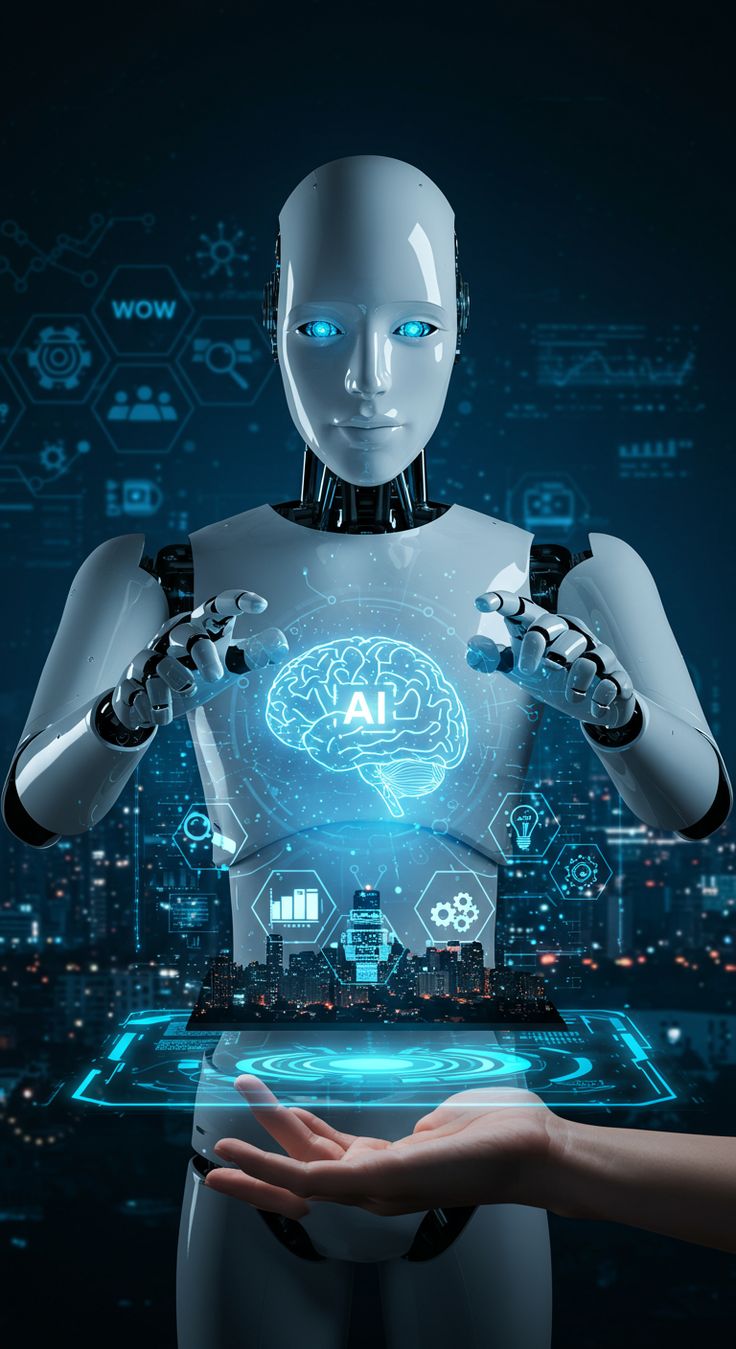
Artificial intelligence (AI) algorithms can analyze complex datasets, automate repetitive tasks, and even generate hypotheses. Machine learning models are used to predict molecular interactions, optimize chemical reactions, and design materials with specific properties. AI accelerates experimentation by suggesting the most promising research paths and reducing trial-and-error approaches.
AI in Healthcare and Biology
In the life sciences, AI is transforming research by predicting protein structures, analyzing genetic sequences, and modeling disease progression. AI-driven drug discovery platforms shorten development timelines and reduce costs. In clinical settings, AI assists in diagnostics, patient monitoring, and personalized treatment planning, bridging the gap between laboratory research and practical healthcare applications.
Advanced Imaging and Visualization Technologies
Microscopy and Nanoscale Imaging
Technological advancements in microscopy, including electron microscopy and super-resolution techniques, allow scientists to observe structures at the molecular and atomic levels. Nanoscale imaging reveals intricate cellular processes, protein interactions, and material properties, opening new frontiers in biology, chemistry, and materials science.
Visualization and Virtual Reality
Advanced visualization tools, including virtual reality (VR) and augmented reality (AR), enhance scientific analysis by providing interactive 3D models of complex systems. VR simulations help researchers explore molecular structures, geological formations, and astronomical data, improving understanding and collaboration across disciplines.
Robotics and Automation in Research
Laboratory Automation
Automation technologies reduce human error, increase throughput, and accelerate experimental research. Robotic platforms handle repetitive tasks such as pipetting, sample preparation, and high-throughput screening. Automation allows researchers to focus on analysis and interpretation, enhancing productivity and reliability in laboratory settings.
Field Robotics
In environmental science, space exploration, and oceanography, robotic systems enable data collection in remote or hazardous locations. Drones, autonomous underwater vehicles, and planetary rovers gather information inaccessible to humans, expanding the scope and scale of scientific observation.
Nanotechnology and Material Science
Engineering at the Nanoscale
Nanotechnology allows manipulation of matter at the atomic and molecular scale, creating materials with unique properties such as enhanced strength, conductivity, or chemical reactivity. These innovations impact medicine, electronics, energy storage, and environmental remediation, providing tools to address complex scientific and societal challenges.
Applications in Medicine
Nanoscale materials are used in drug delivery systems, diagnostic sensors, and regenerative medicine. Targeted nanoparticles can transport therapeutics directly to diseased cells, minimizing side effects and improving treatment efficacy. Nanotechnology continues to expand the possibilities for personalized medicine and advanced biomedical research.
Space Exploration and Technology
Advanced Telescopes and Observatories
Technological innovations in telescopes and space observatories have transformed our understanding of the universe. Instruments such as the James Webb Space Telescope provide unprecedented views of distant galaxies, exoplanets, and cosmic phenomena. Enhanced imaging, spectroscopy, and data processing capabilities enable precise observations and novel scientific discoveries.
Robotic Space Missions
Robotic spacecraft, rovers, and satellites gather data from planets, moons, and asteroids. These technologies allow scientists to study environments that are too remote or hazardous for human exploration, providing critical insights into planetary formation, habitability, and the potential for life beyond Earth.
Genomics and Biotechnology
Genetic Sequencing Technologies
Advances in DNA sequencing technologies, including next-generation sequencing, have transformed biology and medicine. Researchers can analyze entire genomes rapidly, identify genetic mutations, and explore evolutionary relationships. Genomic data informs personalized medicine, disease prevention, and therapeutic development.
CRISPR and Gene Editing
Gene-editing tools like CRISPR-Cas9 allow precise modifications to DNA sequences, enabling scientists to study gene function, develop disease models, and explore potential treatments for genetic disorders. Gene editing has applications in agriculture, medicine, and synthetic biology, representing a paradigm shift in biotechnology research.
Quantum Computing and Scientific Research
Quantum Simulations
Quantum computing harnesses the principles of quantum mechanics to perform complex calculations beyond the reach of classical computers. Quantum simulations enable researchers to model molecular interactions, chemical reactions, and physical systems with unprecedented accuracy, accelerating drug discovery and materials design.
Impact on Cryptography and Data Security
Quantum technologies influence the security of scientific data, simulations, and communications. By enabling secure quantum encryption, researchers can protect sensitive information while collaborating globally, ensuring the integrity of scientific research and technological development.
Collaborative Platforms and Open Science
Global Data Sharing
Technological platforms facilitate collaboration across borders, enabling scientists to share data, tools, and findings in real time. Open-access databases, cloud computing, and collaborative software accelerate discovery, enhance reproducibility, and foster interdisciplinary research. These platforms democratize access to knowledge and support global scientific progress.
Citizen Science and Public Engagement
Technological tools empower citizens to contribute to scientific research through mobile apps, online platforms, and sensor networks. Citizen science projects in astronomy, ecology, and epidemiology leverage public participation, expanding the scale and diversity of data collection. Engaging the public promotes scientific literacy and community involvement in research.
Artificial Intelligence in Predictive Science
Climate Modeling and Environmental Studies
AI-driven predictive models analyze climate patterns, ecological dynamics, and environmental changes. Machine learning algorithms simulate complex systems, predict future scenarios, and inform policy decisions. These technologies support sustainable development, resource management, and disaster preparedness.
Drug Discovery and Healthcare Innovation
AI accelerates the discovery of novel therapeutics by analyzing molecular interactions, screening compounds, and predicting drug efficacy. In healthcare, predictive algorithms guide treatment decisions, optimize hospital resource allocation, and identify disease outbreaks. AI bridges computational power and experimental research, driving innovation across scientific domains.
Ethical Considerations in Technology-Driven Science
Data Privacy and Security
The integration of technology in science raises concerns about data privacy, security, and responsible usage. Ethical frameworks ensure that personal, medical, and research data are protected while enabling collaboration and innovation. Addressing these challenges is critical for maintaining public trust and the integrity of scientific research.
Responsible Use of Emerging Technologies
Technologies like AI, gene editing, and autonomous systems require careful regulation and oversight. Ethical considerations include potential societal impacts, unintended consequences, and equitable access. Scientists, policymakers, and society must work together to ensure responsible innovation while maximizing the benefits of technological advancements.
Impact on Society and Education
Enhancing Scientific Literacy
Technology-driven science provides new tools for education, outreach, and knowledge dissemination. Digital platforms, interactive simulations, and online resources improve access to scientific knowledge, fostering curiosity, critical thinking, and lifelong learning. Scientific literacy empowers individuals to make informed decisions and engage in societal debates.
Driving Economic and Technological Growth
Innovations in science and technology stimulate economic development, create jobs, and drive technological progress across sectors. Research and development investments in emerging fields enhance global competitiveness, foster entrepreneurship, and contribute to sustainable societal advancement.
Future Prospects and Emerging Trends
Integration of AI, Robotics, and Biotechnology
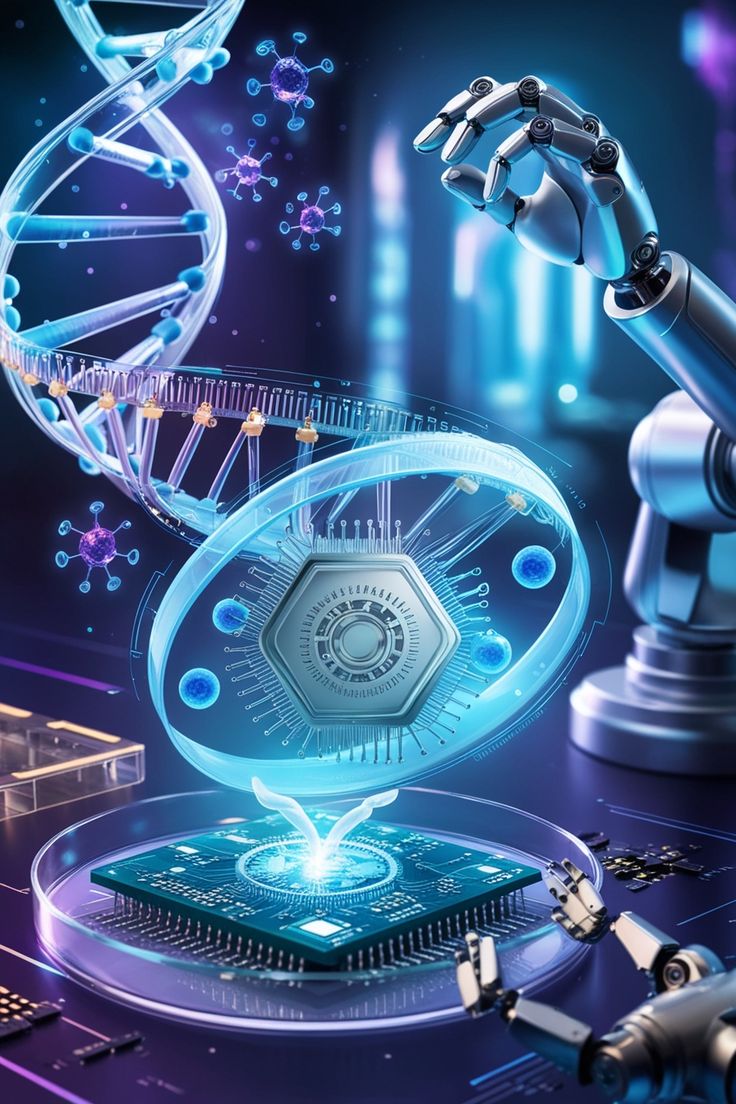
The convergence of AI, robotics, and biotechnology will redefine the pace and scope of scientific discovery. Autonomous laboratories, AI-driven experimentation, and biotechnological innovations promise more efficient research, faster problem-solving, and novel applications in medicine, agriculture, and environmental science.
Exploration of Uncharted Frontiers
Technological advancements enable exploration of previously inaccessible areas, from deep oceans to distant planets. Space exploration, deep-sea research, and nanoscale engineering expand humanity’s understanding of the universe, revealing new opportunities and challenges for scientific inquiry. Technology continues to push the boundaries of knowledge, shaping the future of science in profound ways.