The Discovery of Electricity
Electricity is one of the most transformative discoveries in human history. Its discovery and subsequent harnessing changed the way people live, work, and communicate. From early experiments with static electricity to the development of electric generators, electricity revolutionized industry, transportation, lighting, and communication. Thomas Edison’s invention of the practical incandescent light bulb brought electricity into homes, while Nikola Tesla’s work on alternating current enabled widespread power distribution. Today, electricity powers nearly every aspect of daily life, highlighting its enduring impact on the modern world.
Early Experiments and Understanding
The study of electricity began with ancient observations of lightning and static electricity. Benjamin Franklin’s famous kite experiment demonstrated the connection between lightning and electrical charge, laying the groundwork for future exploration. Over time, scientists developed instruments to measure and control electrical currents, which allowed for practical applications in motors, communication systems, and household devices.
The Theory of Evolution
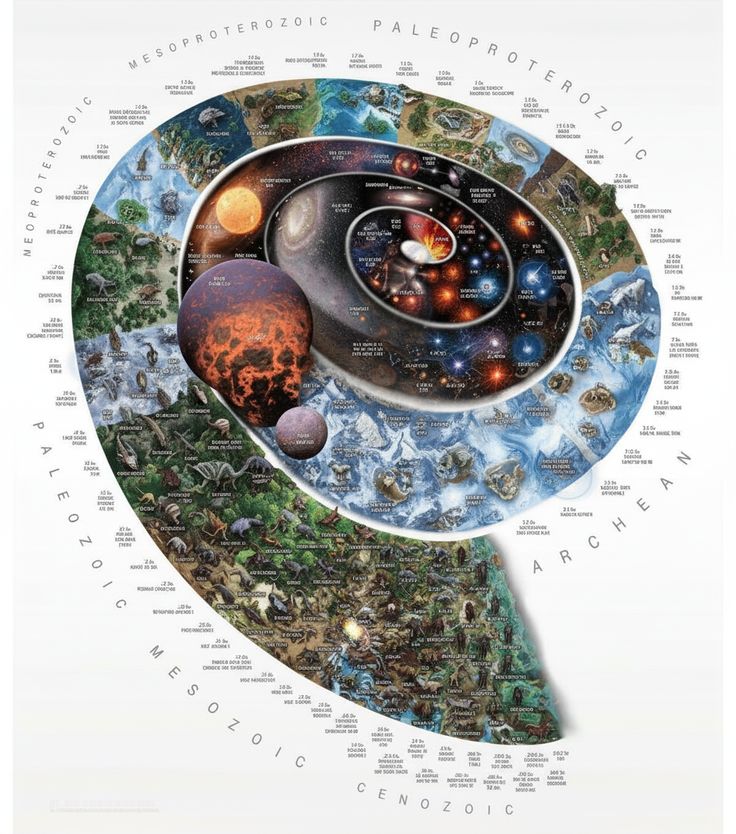
Charles Darwin’s theory of evolution by natural selection fundamentally changed our understanding of life on Earth. Published in 1859 in “On the Origin of Species,” Darwin’s work provided evidence that species evolve over time through adaptation to their environment. This discovery challenged traditional beliefs about the origin of life and provided a framework for studying biology, genetics, and ecology. Evolutionary theory continues to guide research in medicine, conservation, and environmental science, shaping our understanding of human and animal life.
Impact on Biology and Medicine
Evolutionary principles inform the study of genetic variation, disease resistance, and vaccine development. Understanding how organisms adapt to changing environments allows scientists to predict the spread of diseases, develop targeted treatments, and improve public health strategies. Evolution also underpins the study of biodiversity, ecology, and species conservation.
The Structure of DNA
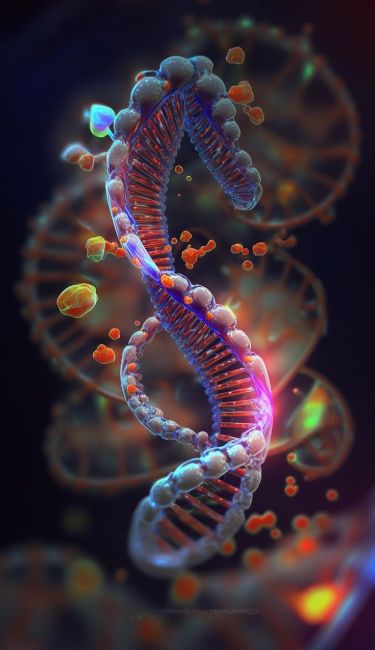
The discovery of the double helix structure of DNA by James Watson and Francis Crick in 1953 revolutionized genetics and molecular biology. DNA carries the genetic blueprint for all living organisms, determining traits, heredity, and biological function. This discovery opened the door to genetic engineering, medical diagnostics, and personalized medicine, enabling unprecedented control over biological systems.
Applications in Medicine and Biotechnology
Understanding DNA structure has led to advances in gene therapy, genome editing, and forensic science. Techniques such as CRISPR-Cas9 allow precise modification of genetic material, offering potential cures for genetic disorders. DNA fingerprinting has become a critical tool in criminal investigations and ancestry research, demonstrating the broad societal impact of this scientific breakthrough.
Newton’s Laws of Motion
Isaac Newton’s formulation of the three laws of motion in the 17th century laid the foundation for classical mechanics. These laws describe how objects move under the influence of forces and remain central to engineering, physics, and technology. Newton’s work enabled the development of machinery, vehicles, and aerospace technology, transforming transportation and industrial processes.
Engineering and Technological Applications
Newtonian mechanics guide the design of buildings, bridges, vehicles, and spacecraft. Understanding forces, momentum, and energy allows engineers to predict and control motion in complex systems. From automobiles to rockets, Newton’s laws are applied daily in construction, transportation, and scientific research.
The Discovery of Penicillin
In 1928, Alexander Fleming discovered penicillin, the first widely used antibiotic, revolutionizing medicine. Penicillin effectively treats bacterial infections that were once fatal, saving millions of lives worldwide. This discovery marked the beginning of the antibiotic era and transformed public health, surgery, and disease management.
Impact on Modern Medicine
Antibiotics have drastically reduced mortality rates from infections such as pneumonia, tuberculosis, and sepsis. Penicillin’s discovery spurred the development of numerous other antibiotics, revolutionizing healthcare and extending life expectancy. It also enabled complex surgeries and medical procedures that require infection control, fundamentally changing medical practice.
The Theory of Relativity
Albert Einstein’s theory of relativity, published in the early 20th century, changed our understanding of space, time, and gravity. The special theory of relativity introduced the concept that time and space are relative and interconnected, while the general theory of relativity described gravity as the warping of spacetime by mass. These insights have had profound implications for physics, astronomy, and cosmology.
Applications in Technology and Space Exploration
Relativity is critical for the accuracy of GPS systems, satellite communications, and understanding cosmic phenomena. It guides research in astrophysics, black holes, and gravitational waves. Einstein’s theories have reshaped fundamental physics and provided tools for modern technological applications.
Vaccinations and Immunology
The development of vaccines represents a major scientific discovery that has eradicated or controlled deadly diseases. Edward Jenner’s smallpox vaccine in the 18th century laid the foundation for immunology, leading to vaccines for polio, measles, and influenza. Vaccination programs have prevented millions of deaths and transformed public health globally.
Public Health and Disease Prevention
Vaccines stimulate the immune system to recognize and combat pathogens. Mass immunization programs reduce disease outbreaks, protect vulnerable populations, and enhance community health. Scientific research in immunology continues to produce new vaccines for emerging diseases, demonstrating the ongoing impact of this discovery.
The Discovery of Antibiotics Beyond Penicillin
Following penicillin, scientists discovered multiple classes of antibiotics, expanding the ability to treat bacterial infections. Streptomycin, tetracycline, and erythromycin have saved countless lives and enabled the control of infectious diseases. These discoveries also shaped the fields of pharmacology and microbiology.
Impact on Global Health
Antibiotics reduce infection-related mortality and improve surgical outcomes. They are essential in combating pandemics and bacterial resistance, making continued research and responsible use crucial for sustaining public health benefits.
Advances in Astronomy and Space Exploration
Scientific discoveries in astronomy, such as the heliocentric model by Copernicus, the laws of planetary motion by Kepler, and modern telescopic discoveries, have changed our perception of the universe. Space exploration, including satellite technology, the moon landing, and Mars rovers, relies on physics, engineering, and computer science, expanding human knowledge and technological capability.
Impact on Science and Daily Life
Satellite communication, GPS, and weather forecasting are direct results of space research. Astronomy enhances education, inspires innovation, and drives technology that affects daily life. Understanding the cosmos fosters global collaboration and scientific curiosity.
Electricity and Magnetism Combined
The discovery of the relationship between electricity and magnetism by Hans Christian Ørsted and subsequent work by Faraday and Maxwell revolutionized physics and engineering. Electromagnetism underlies modern communication, power generation, and electronics, forming the basis for devices from smartphones to electric motors.
Applications in Modern Technology
Electromagnetic principles enable electric motors, generators, transformers, and wireless communication systems. Understanding electromagnetism allows for innovations in medical imaging, transportation, and computing, illustrating its critical role in technological advancement.
Semiconductors and the Digital Revolution
The discovery and application of semiconductors enabled the development of transistors, microchips, and integrated circuits, forming the backbone of modern electronics. This innovation gave rise to computers, smartphones, and digital technologies, transforming communication, work, and entertainment globally.
Impact on Daily Life
From household appliances to advanced computing systems, semiconductor technology is embedded in everyday life. It drives the internet, artificial intelligence, and digital services, highlighting the pervasive influence of scientific discovery on society.
Conclusion: The Ongoing Influence of Scientific Discoveries
Major scientific discoveries—from electricity and DNA to antibiotics and space exploration—have reshaped human civilization. They improve health, communication, technology, and understanding of the universe. Each discovery builds upon previous knowledge, creating a continuous cycle of innovation that transforms daily life and drives progress across generations.