Introduction to Climate Change
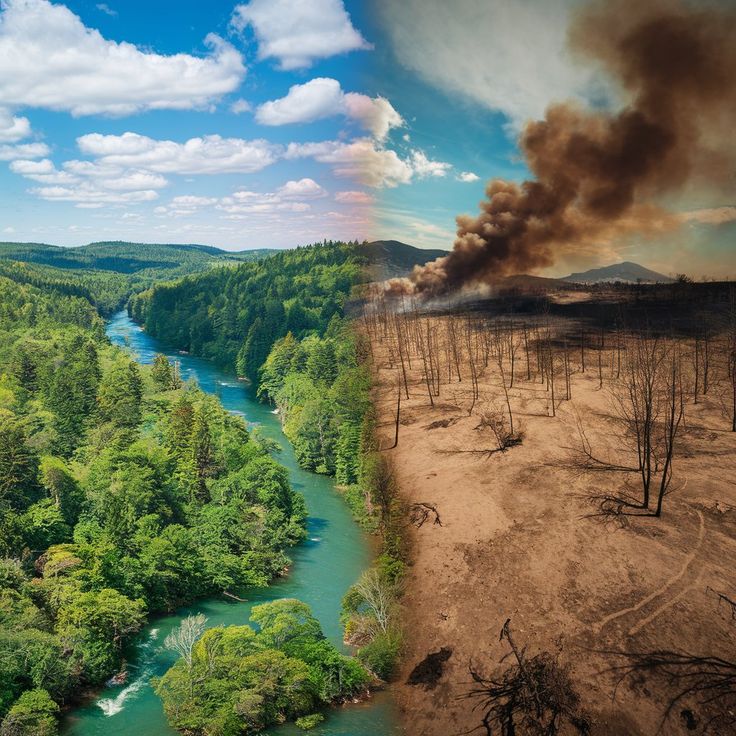
Climate change is one of the most pressing challenges facing the planet today. Driven primarily by human activities such as burning fossil fuels, deforestation, and industrial processes, it has far-reaching impacts on ecosystems, weather patterns, and human societies. Rising global temperatures, melting ice caps, sea-level rise, and extreme weather events are just some of the visible consequences. Understanding how climate change affects the planet is crucial for developing strategies to mitigate its effects and adapt to a rapidly changing environment.
Rising Global Temperatures
Heatwaves and Extreme Temperatures
Average global temperatures have risen significantly over the past century, leading to more frequent and intense heatwaves. These extreme temperature events threaten human health, agriculture, and energy systems. Heatwaves increase the risk of heat-related illnesses and mortality, especially among vulnerable populations such as the elderly and those with pre-existing conditions.
Impact on Ecosystems
Rising temperatures affect plant and animal life by altering habitats and food availability. Species may migrate to cooler regions, face population decline, or risk extinction if they cannot adapt. Coral reefs, for example, experience bleaching events when water temperatures rise, threatening marine biodiversity and the livelihoods of communities dependent on reef ecosystems.
Melting Ice and Glacial Retreat
Polar Ice Caps
The Arctic and Antarctic ice caps are melting at unprecedented rates due to global warming. This contributes to rising sea levels and alters ocean currents, impacting climate patterns worldwide. Melting ice also threatens polar species such as penguins, seals, and polar bears, disrupting the delicate balance of polar ecosystems.
Mountain Glaciers
Glacial retreat in mountain regions affects freshwater availability for millions of people who rely on meltwater for drinking, agriculture, and hydropower. Shrinking glaciers also increase the risk of glacial lake outburst floods, which can have devastating consequences for downstream communities.
Sea-Level Rise and Coastal Impact
Rising Oceans
As glaciers and polar ice melt, sea levels rise, leading to coastal erosion, flooding, and saltwater intrusion. Low-lying islands and coastal cities are particularly vulnerable, with millions of people at risk of displacement. Rising seas threaten infrastructure, freshwater supplies, and agricultural lands, posing economic and social challenges.
Impact on Coastal Ecosystems
Coastal ecosystems such as mangroves, salt marshes, and coral reefs face increased stress due to rising sea levels and changing salinity. These ecosystems provide critical services, including storm protection, carbon sequestration, and habitats for marine life. Their degradation exacerbates the impacts of climate change on human communities.
Extreme Weather Events
Storms, Hurricanes, and Cyclones
Climate change increases the intensity and frequency of storms, hurricanes, and cyclones. Warmer ocean temperatures fuel stronger storms, causing catastrophic flooding, property damage, and loss of life. Vulnerable populations in developing countries are particularly at risk due to limited resources and infrastructure for disaster response.
Droughts and Water Scarcity
Changes in precipitation patterns and increased evaporation due to higher temperatures contribute to prolonged droughts in many regions. Water scarcity affects agriculture, energy production, and daily life, leading to food insecurity and social tensions. Droughts also increase the risk of wildfires, further impacting ecosystems and communities.
Impact on Agriculture and Food Security
Crop Yields and Nutrition
Climate change affects crop growth, productivity, and nutritional content. Heat stress, unpredictable rainfall, and shifting growing seasons reduce yields of staple crops like wheat, rice, and maize. Changes in nutrient availability can also impact food quality, exacerbating malnutrition in vulnerable populations.
Livestock and Fisheries
Rising temperatures, droughts, and changing water availability affect livestock health and productivity. Aquatic ecosystems also face stress from ocean warming and acidification, reducing fish populations and impacting global food security. Sustainable farming practices and adaptive management strategies are crucial for mitigating these impacts.
Environmental and Biodiversity Impacts
Species Extinction and Habitat Loss
Climate change accelerates habitat loss and threatens species survival. Forests, wetlands, and coral reefs face degradation due to rising temperatures, altered precipitation, and ocean acidification. Loss of biodiversity reduces ecosystem resilience, affecting services such as pollination, water purification, and climate regulation.
Forest and Wildfire Dynamics
Higher temperatures and prolonged droughts increase the frequency and intensity of wildfires. Forest ecosystems, which act as carbon sinks, are increasingly vulnerable, releasing significant amounts of carbon dioxide during fires. This creates a feedback loop, further accelerating climate change.
Human Health Impacts
Heat-Related Illnesses
Rising temperatures contribute to heat exhaustion, heatstroke, and cardiovascular stress. Urban areas with heat islands are particularly affected, posing challenges for public health systems. Vulnerable populations, including the elderly and those without access to cooling systems, face increased mortality risks.
Vector-Borne Diseases
Climate change alters the distribution of disease vectors such as mosquitoes and ticks, increasing the risk of diseases like malaria, dengue fever, and Lyme disease. Shifts in temperature and precipitation patterns create favorable conditions for vector proliferation, challenging healthcare systems and disease prevention strategies.
Ocean Changes and Marine Life
Ocean Warming
Rising sea temperatures affect marine species distribution, reproduction, and migration patterns. Coral reefs experience bleaching events, fish populations shift, and marine ecosystems face stress from altered food chains. These changes impact fisheries, tourism, and coastal communities dependent on marine resources.
Ocean Acidification
Increased carbon dioxide absorption by oceans leads to acidification, affecting calcifying organisms such as corals, shellfish, and plankton. Ocean acidification disrupts marine food webs, threatening biodiversity and human food supplies. Long-term monitoring and mitigation efforts are crucial to preserve ocean health.
Socioeconomic Impacts
Economic Losses and Infrastructure Damage
Climate change increases the frequency of extreme weather events, causing economic losses and damage to infrastructure. Floods, storms, and wildfires disrupt transportation, energy supply, and housing, requiring substantial investment in adaptation and recovery. Developing countries face greater challenges due to limited financial and technical resources.
Migration and Displacement
Sea-level rise, droughts, and natural disasters force populations to migrate, creating climate refugees. Displacement affects social stability, access to resources, and urban planning. Addressing climate-induced migration requires international cooperation, disaster preparedness, and sustainable development planning.
Mitigation and Adaptation Strategies
Reducing Greenhouse Gas Emissions
Transitioning to renewable energy sources, improving energy efficiency, and adopting sustainable transportation practices are key strategies for reducing greenhouse gas emissions. International agreements, such as the Paris Agreement, aim to limit global warming and promote low-carbon development worldwide.
Climate Adaptation Measures
Communities and governments implement adaptation measures to cope with the impacts of climate change. These include constructing resilient infrastructure, implementing water management systems, and developing early warning systems for extreme weather events. Adaptation strategies enhance the ability of societies to withstand and recover from climate-related challenges.
Global Scientific Research and Monitoring
Climate Modeling and Prediction
Advanced climate models simulate future scenarios based on greenhouse gas emissions, land use, and policy interventions. These models help predict temperature changes, precipitation patterns, and sea-level rise, guiding policy and mitigation planning. Continuous monitoring improves model accuracy and informs decision-making.
Satellite Observation and Data Analysis
Satellites provide critical data on global temperatures, ice cover, sea levels, and greenhouse gas concentrations. Remote sensing technologies allow scientists to track climate changes in real time, identify trends, and assess the effectiveness of mitigation strategies. Data-driven insights support informed action at local, national, and global levels.
Impact on Ecosystem Services
Pollination and Food Production
Climate change affects pollinators, reducing crop yields and food availability. Changes in flowering times and habitat loss threaten bees, butterflies, and other essential species. Maintaining ecosystem services requires conservation, sustainable agriculture, and habitat restoration efforts.
Water Cycle and Hydrology
Changes in precipitation, snowmelt, and evaporation alter water availability for agriculture, industry, and human consumption. Shifts in the hydrological cycle lead to droughts, floods, and water scarcity, emphasizing the need for integrated water resource management and climate-resilient infrastructure.
International Cooperation and Policy Initiatives
Global Climate Agreements
International agreements such as the Kyoto Protocol and the Paris Agreement set targets for emission reductions, renewable energy adoption, and climate adaptation. Collaborative efforts among nations are essential for addressing global climate challenges and ensuring equitable solutions.
Research Collaboration and Technology Sharing
Global scientific collaboration enhances understanding of climate change and promotes the development of clean technologies. Sharing knowledge, resources, and best practices enables countries to implement effective mitigation and adaptation strategies, benefiting humanity as a whole.
Education and Public Awareness
Raising Awareness
Educating the public about climate change impacts and sustainable practices empowers individuals and communities to take action. Awareness campaigns, school programs, and media coverage foster environmentally responsible behavior and encourage support for climate policies.
Promoting Sustainable Lifestyles
Individuals can contribute to climate mitigation through energy conservation, sustainable transportation, waste reduction, and responsible consumption. Public engagement amplifies societal efforts to reduce carbon footprints and build resilience against climate impacts.