Introduction to Renewable Energy and Clean Technology
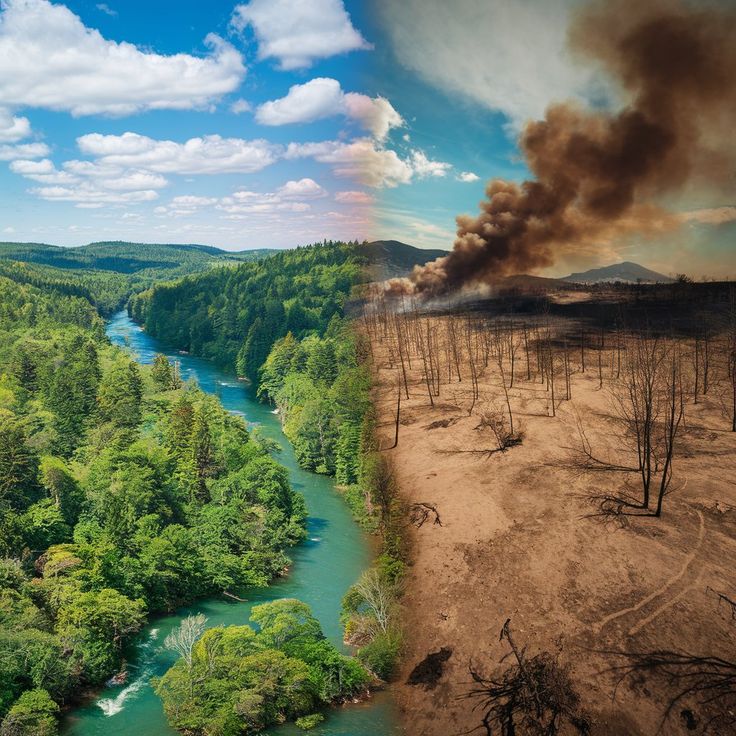
Renewable energy and clean technology are central to the global transition toward sustainable development. As concerns over climate change, pollution, and finite fossil fuel resources intensify, nations and industries are investing heavily in technologies that harness natural energy sources while minimizing environmental impact. Renewable energy includes solar, wind, hydro, geothermal, and biomass, while clean technology encompasses innovations that improve efficiency, reduce emissions, and promote sustainability across various sectors. The future of energy depends on the integration of these technologies into power generation, transportation, industry, and everyday life.
Solar Energy: Harnessing the Power of the Sun
Photovoltaic Systems
Solar photovoltaic (PV) systems convert sunlight directly into electricity using semiconductor materials. Advances in PV efficiency, cost reduction, and energy storage have made solar energy one of the fastest-growing renewable energy sources worldwide. Rooftop solar panels, utility-scale solar farms, and solar-powered devices demonstrate the versatility of this technology in both urban and rural settings.
Concentrated Solar Power
Concentrated Solar Power (CSP) systems use mirrors or lenses to focus sunlight onto a central receiver, generating high-temperature heat that can produce electricity through steam turbines. CSP offers the advantage of energy storage through molten salts or other thermal mediums, allowing for electricity generation even when sunlight is unavailable. This innovation enhances the reliability of solar energy for continuous power supply.
Wind Energy: Capturing the Kinetic Force of Air
Onshore and Offshore Wind Farms
Wind turbines convert kinetic energy from moving air into electricity. Onshore wind farms are widely deployed in areas with consistent wind patterns, while offshore farms utilize stronger and more consistent winds over the ocean. Advances in turbine design, materials, and aerodynamics have increased efficiency and reduced costs, making wind energy a competitive alternative to traditional fossil fuels.
Integration with the Power Grid
Integrating wind energy into the electrical grid requires sophisticated forecasting, energy storage solutions, and smart grid technologies. AI and predictive analytics help operators manage fluctuations in wind generation, ensuring stable and reliable electricity supply. These advancements allow wind energy to contribute significantly to national energy mixes.
Hydropower: Utilizing the Energy of Water
Traditional and Small-Scale Hydropower
Hydropower harnesses the kinetic energy of flowing water to generate electricity through turbines. Large dams provide substantial energy output, while small-scale hydropower projects serve local communities with minimal environmental disruption. Innovations in turbine design and environmental monitoring enhance efficiency and reduce ecological impact.
Pumped Storage and Energy Flexibility
Pumped storage systems store excess energy by pumping water to a higher elevation and releasing it to generate electricity when demand peaks. This technology stabilizes energy supply, complements intermittent renewable sources, and supports grid resilience. It represents an essential component of future clean energy infrastructure.
Geothermal Energy: Tapping Earth’s Heat
Direct Use and Power Generation
Geothermal energy utilizes heat from beneath the Earth’s surface for electricity generation and direct heating applications. Enhanced geothermal systems (EGS) expand the potential of this resource by accessing deeper geothermal reservoirs. Geothermal energy provides a constant, reliable power source with minimal greenhouse gas emissions, supporting the global transition to clean energy.
Industrial and Residential Applications
Beyond electricity generation, geothermal heat pumps provide efficient heating and cooling for residential and commercial buildings. This technology reduces reliance on fossil fuels and lowers energy costs, illustrating how clean technology can integrate into everyday life.
Biomass and Bioenergy: Energy from Organic Matter
Biofuels and Biogas
Biomass energy converts organic materials such as crop residues, waste, and algae into biofuels or biogas. Advanced processing methods enhance efficiency and reduce emissions, making bioenergy a viable renewable resource. Biofuels can replace conventional fossil fuels in transportation, while biogas provides electricity and heating for industrial and residential use.
Waste-to-Energy Innovations
Waste-to-energy technologies convert municipal and industrial waste into electricity or heat, reducing landfill use and greenhouse gas emissions. Combined with advanced sorting and recycling systems, these solutions create a circular energy economy and support sustainable urban development.
Energy Storage: Bridging Intermittency Challenges
Battery Technologies
Energy storage is critical for integrating intermittent renewable sources like solar and wind. Lithium-ion batteries dominate the market, offering high energy density and efficiency. Emerging technologies such as solid-state batteries, flow batteries, and metal-air batteries promise longer life, improved safety, and cost reductions, enabling more reliable energy systems.
Grid-Scale Storage Solutions
Pumped hydro, compressed air, and thermal storage systems store excess energy for peak demand periods. These technologies balance supply and demand, reduce curtailment, and support renewable energy adoption on a large scale. Grid-scale storage is essential for achieving a fully renewable energy system.
Smart Grids and Digital Energy Management
Automation and AI in Energy Distribution
Smart grids utilize sensors, communication networks, and AI algorithms to optimize electricity distribution, monitor consumption, and manage renewable generation. This approach reduces energy losses, enhances efficiency, and allows real-time response to fluctuations in supply and demand. Smart grids are the backbone of future sustainable energy systems.
Consumer Empowerment and Demand Response
Digital energy management systems empower consumers to monitor and adjust their energy usage. Demand response programs incentivize reduced consumption during peak periods, balancing grid load and supporting renewable integration. These technologies promote energy awareness and sustainable practices at the individual and community level.
Clean Transportation and Electrification
Electric Vehicles (EVs)
Electric vehicles reduce dependence on fossil fuels and lower greenhouse gas emissions. Advances in battery technology, charging infrastructure, and vehicle design have made EVs more accessible and practical. Governments and manufacturers are investing heavily in EV adoption to transition transportation toward sustainability.
Hydrogen and Alternative Fuels
Hydrogen fuel cells and biofuels offer complementary clean energy solutions for transportation. Hydrogen vehicles emit only water vapor, and hydrogen can be produced from renewable sources. Alternative fuels, including advanced biofuels and synthetic fuels, reduce carbon footprints and expand sustainable mobility options.
Global Policy and Investment Trends
Government Incentives and Regulations
Renewable energy growth is supported by policy frameworks, tax incentives, and regulatory mandates. Countries worldwide are setting ambitious targets for renewable energy adoption, emission reduction, and clean technology deployment. These policies drive innovation, investment, and market competitiveness in the clean energy sector.
Private Sector Investment
Corporate investment in renewable energy and clean technology is increasing rapidly. Businesses recognize both the environmental and economic benefits of sustainable energy adoption. Investment in solar farms, wind energy, energy storage, and electric vehicle infrastructure supports global energy transition goals.
Emerging Technologies and Innovations
Next-Generation Solar Panels
Perovskite solar cells, multi-junction photovoltaics, and flexible solar technologies promise higher efficiency, lower production costs, and broader applications. These innovations will expand solar adoption in urban, rural, and industrial contexts.
Offshore Wind and Floating Turbines
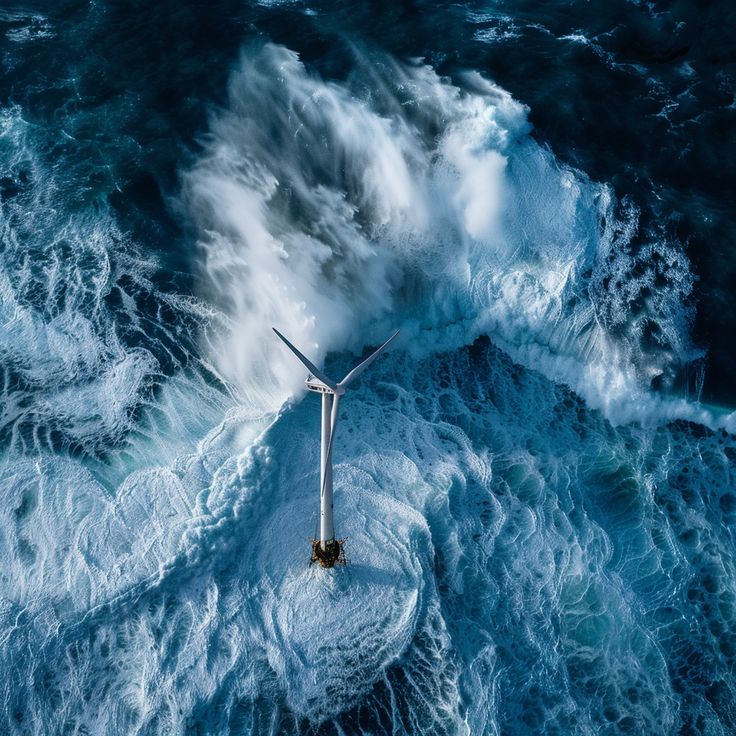
Floating offshore wind turbines can access stronger winds far from shorelines, unlocking enormous potential for electricity generation. Advances in materials, design, and installation reduce costs and improve reliability, making offshore wind a cornerstone of future clean energy systems.
Artificial Intelligence in Energy Optimization
AI algorithms optimize renewable energy generation, storage, and consumption. Predictive analytics enhance wind and solar forecasting, energy trading, and grid balancing. AI-driven systems ensure maximum efficiency and resilience in energy networks, supporting the integration of diverse clean technologies.
Challenges and Future Considerations
Intermittency and Reliability
Renewable sources like solar and wind are intermittent, requiring robust storage and grid management solutions. Advances in storage technology, hybrid systems, and predictive modeling are essential to overcome reliability challenges and maintain continuous energy supply.
Environmental and Social Impacts
While renewable energy reduces emissions, it may still impact ecosystems, land use, and communities. Responsible planning, environmental assessments, and stakeholder engagement ensure sustainable deployment of renewable projects. Integrating clean technology with social considerations promotes inclusive and ethical energy transitions.
Global Outlook for Renewable Energy
Projected Growth and Adoption
International Energy Agency (IEA) and other organizations project continued exponential growth in renewable energy deployment. Solar, wind, and energy storage are expected to dominate new capacity installations, while electrification of transportation and industry accelerates global decarbonization. Investment in research, infrastructure, and policy support will determine the pace and scale of adoption.
Technological Integration and Collaboration
Future energy systems will rely on the seamless integration of multiple renewable sources, storage solutions, and digital management tools. Global collaboration, shared research initiatives, and open technology platforms will enable faster innovation and deployment of sustainable energy systems worldwide.
Conclusion
The future of renewable energy and clean technology is bright, driven by innovation, policy support, and global collaboration. Advances in solar, wind, hydro, geothermal, biomass, energy storage, smart grids, and clean transportation are reshaping how energy is generated, distributed, and consumed. These technologies not only reduce environmental impact but also enhance energy security, economic growth, and quality of life. As society embraces renewable solutions, science and technology will continue to pave the way for a sustainable and resilient energy future.