Introduction to Artificial Intelligence in Science
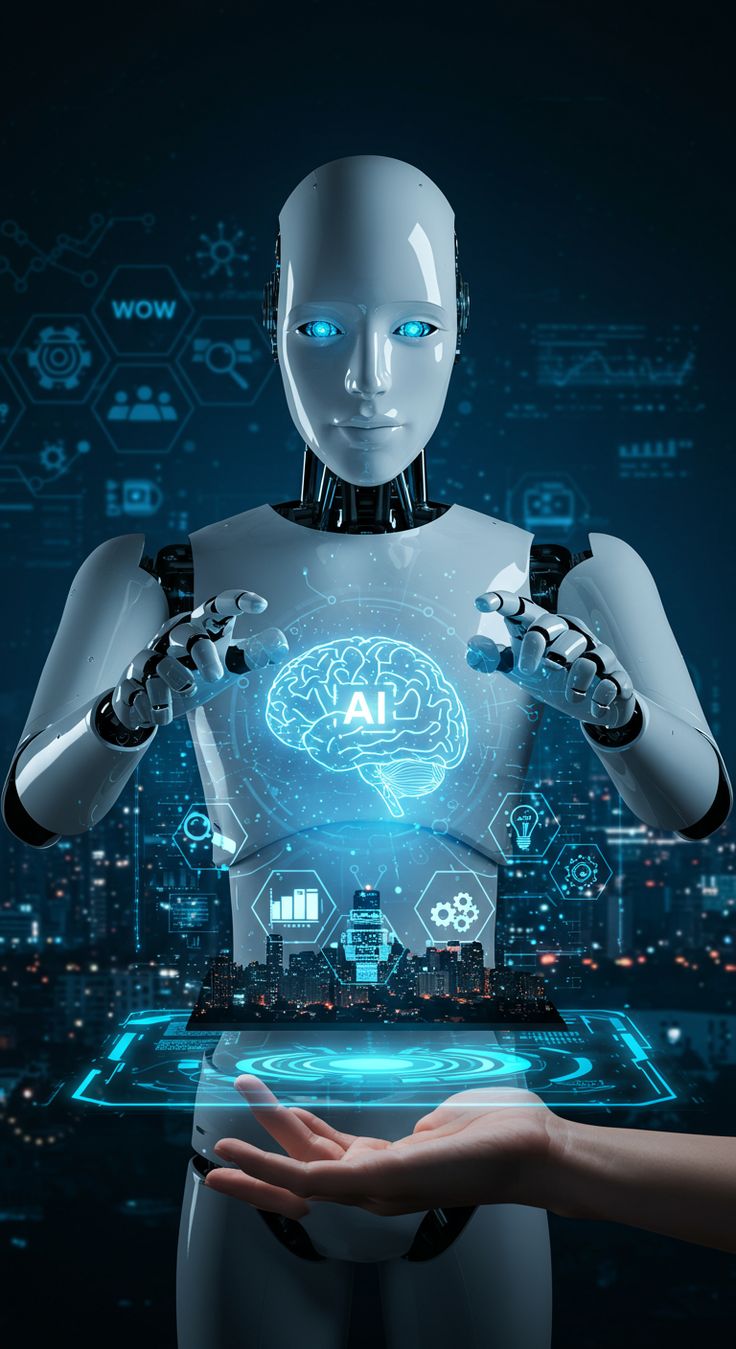
Artificial Intelligence (AI) has emerged as one of the most transformative technologies in modern science. By combining computational power with advanced algorithms, AI enables scientists to analyze vast amounts of data, simulate complex systems, and make predictions with unprecedented accuracy. Its applications span multiple scientific disciplines, from biology and chemistry to astronomy and climate science. AI does not just assist researchers; it reshapes how scientific discovery occurs, accelerating innovation and opening new avenues for exploration that were previously unimaginable.
AI in Biological Sciences
Genomics and Personalized Medicine
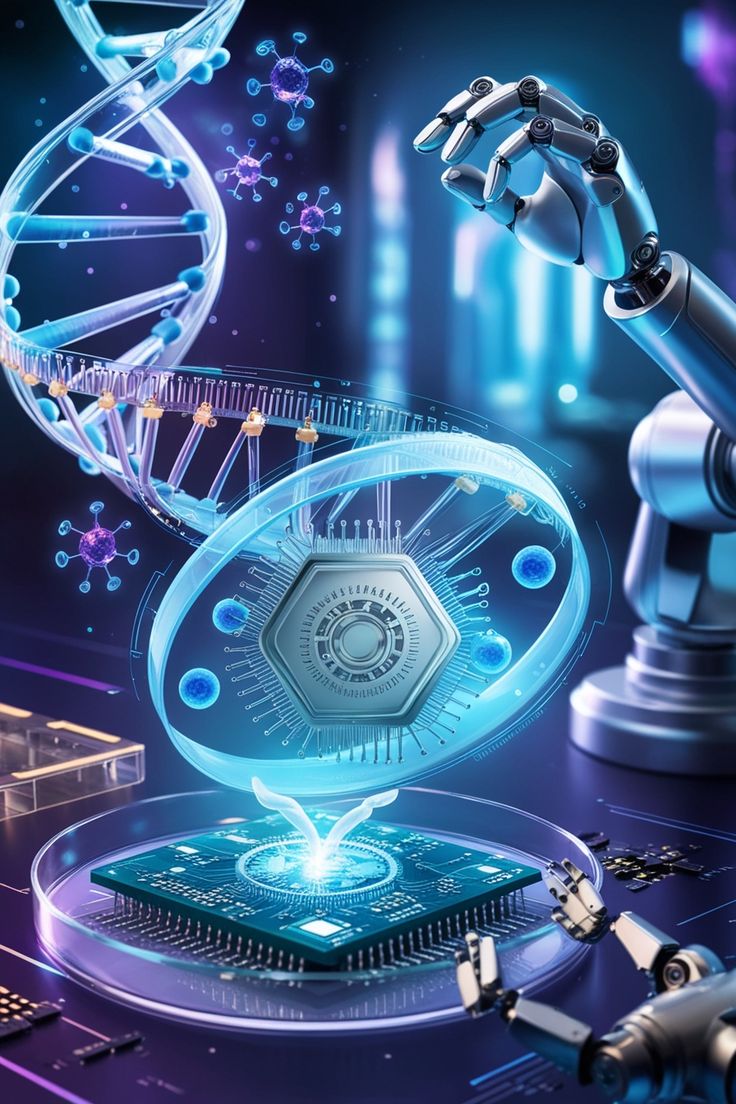
AI is revolutionizing genomics by enabling rapid sequencing and analysis of DNA. Machine learning algorithms can detect patterns in genetic data that were previously hidden, helping to identify disease risk factors and potential treatment strategies. Personalized medicine relies on AI to tailor healthcare plans to individual genetic profiles, improving patient outcomes and reducing trial-and-error approaches in medical treatment. Predictive models also allow researchers to anticipate how diseases may progress and how specific populations may respond to therapies.
Drug Discovery and Development
Traditional drug discovery is often slow, expensive, and uncertain. AI accelerates this process by analyzing molecular structures, predicting potential drug efficacy, and identifying side effects. Algorithms can simulate thousands of chemical reactions in silico, narrowing down candidates for laboratory testing. Pharmaceutical companies increasingly rely on AI to shorten development timelines and bring life-saving medications to market faster, making treatments more accessible globally.
AI in Physical and Chemical Sciences
Materials Science and Nanotechnology
AI enables the design of new materials with specific properties by analyzing atomic structures and predicting behaviors under various conditions. Machine learning models assist in optimizing nanomaterials for electronics, energy storage, and biomedical applications. These AI-driven approaches reduce trial-and-error experimentation and speed up the creation of innovative materials that can transform industries.
Chemical Simulations and Reactions
In chemistry, AI algorithms simulate molecular interactions and chemical reactions at a level of detail previously impossible. These simulations help chemists understand complex reactions, optimize catalysts, and design environmentally friendly chemical processes. AI also predicts reaction outcomes, saving time and resources in experimental research and facilitating the discovery of novel compounds.
AI in Environmental and Earth Sciences
Climate Modeling and Weather Prediction
Accurate climate modeling is critical for understanding global warming, predicting extreme weather events, and planning mitigation strategies. AI enhances climate models by processing vast amounts of data from satellites, sensors, and historical records. Machine learning algorithms identify trends and correlations, improving predictions for hurricanes, heatwaves, and floods. This enables governments, organizations, and individuals to respond proactively to environmental challenges.
Earth Observation and Resource Management
AI is used to monitor forests, oceans, and other ecosystems, identifying patterns that indicate environmental change or degradation. Remote sensing data combined with AI-driven analysis helps detect illegal deforestation, track wildlife populations, and optimize agricultural practices. By leveraging AI, scientists can manage natural resources more effectively and develop strategies for sustainable development.
AI in Space and Astronomy
Analyzing Cosmic Data
The vastness of space generates enormous volumes of data, from telescope observations to satellite measurements. AI assists astronomers by analyzing images, detecting celestial objects, and identifying patterns in star formation, galaxy clustering, and cosmic radiation. Machine learning models can discover phenomena such as exoplanets or supernovae faster than traditional human-led analysis, accelerating the pace of astronomical discovery.
Space Missions and Robotics
AI-powered robots and autonomous systems play a crucial role in space exploration. From Mars rovers to deep-space probes, AI enables navigation, data collection, and real-time decision-making without direct human intervention. These systems increase mission efficiency, reduce operational risks, and allow scientists to explore environments that are too dangerous or distant for humans.
AI in Health and Medical Research
Medical Imaging and Diagnostics
AI algorithms improve the analysis of medical images such as X-rays, MRIs, and CT scans. Machine learning models can detect anomalies, classify diseases, and even predict disease progression with higher accuracy than traditional methods. AI-assisted diagnostics reduce human error, expedite treatment decisions, and enhance early detection of critical conditions such as cancer and cardiovascular disease.
Predictive Analytics in Public Health
AI models analyze epidemiological data to forecast disease outbreaks, track infection trends, and optimize resource allocation. During pandemics, AI can identify hotspots, predict hospital capacity needs, and guide vaccination strategies. By providing actionable insights, AI strengthens public health systems and informs evidence-based decision-making on a global scale.
AI in Physics and Fundamental Sciences
Quantum Mechanics and Particle Physics
AI assists physicists in analyzing complex experimental data from particle accelerators and quantum simulations. Machine learning models detect patterns in high-dimensional data, identify rare events, and optimize experimental parameters. This accelerates research in fundamental physics, from understanding subatomic particles to exploring quantum computing applications.
Simulation of Complex Systems
In theoretical physics, AI enables the simulation of phenomena that are too complex for analytical solutions. From fluid dynamics to astrophysical modeling, AI reduces computational time while increasing the accuracy of simulations. These capabilities allow scientists to explore scenarios and test hypotheses in ways that were previously unattainable.
AI in Social and Behavioral Sciences
Human Behavior Analysis
AI tools analyze large datasets in psychology, sociology, and economics, identifying patterns in human behavior. Machine learning models can predict consumer choices, social trends, and even mental health outcomes. These insights inform policy-making, education, and public health interventions, illustrating the broad applicability of AI beyond natural sciences.
Data-Driven Policy Making
Governments and organizations use AI-driven analysis to optimize public policies and resource allocation. From urban planning to disaster management, predictive models provide actionable insights that improve societal outcomes. By combining statistical methods with AI, decision-makers can evaluate scenarios, measure impacts, and implement evidence-based solutions effectively.
Challenges and Ethical Considerations
Bias and Fairness in AI Models
Despite its potential, AI is susceptible to bias, particularly when trained on incomplete or unrepresentative datasets. In scientific applications, biased models can lead to incorrect conclusions or unequal access to benefits. Researchers must ensure transparency, fairness, and ethical oversight in AI development and deployment to maintain scientific integrity.
Data Privacy and Security
AI often relies on sensitive data, including genetic information, medical records, and environmental monitoring. Protecting data privacy and ensuring secure storage and transmission is critical. Ethical guidelines and robust cybersecurity measures are essential to prevent misuse and maintain public trust in AI-driven science.
The Future of AI in Science
Accelerating Discovery
AI is expected to continue transforming scientific research by reducing the time required for data analysis, hypothesis testing, and experimentation. Automation of routine tasks allows scientists to focus on creative problem-solving and innovative exploration. This acceleration has the potential to redefine scientific timelines and expand the scope of human knowledge.
Interdisciplinary Integration
The integration of AI across disciplines creates new opportunities for cross-domain research. Biology, chemistry, physics, and social sciences increasingly intersect through AI-driven insights, fostering collaborations and breakthroughs that transcend traditional boundaries. This interdisciplinary approach maximizes the impact of scientific discoveries and promotes holistic problem-solving.
Global Collaboration and Accessibility
AI democratizes scientific research by making tools and analytical capabilities accessible to a wider range of researchers worldwide. Cloud-based platforms, open-source algorithms, and collaborative AI projects enable global participation in scientific discovery. This inclusivity strengthens innovation, accelerates knowledge sharing, and drives collective progress in tackling global challenges.
Conclusion
Artificial Intelligence is reshaping the landscape of modern science, enhancing efficiency, precision, and creativity. Its applications span biology, medicine, physics, environmental science, social research, and beyond. By analyzing massive datasets, simulating complex phenomena, and predicting outcomes, AI accelerates discovery and transforms how science is conducted. While ethical and technical challenges remain, the integration of AI into scientific practice promises to expand the boundaries of human knowledge and solve problems that were once thought impossible.